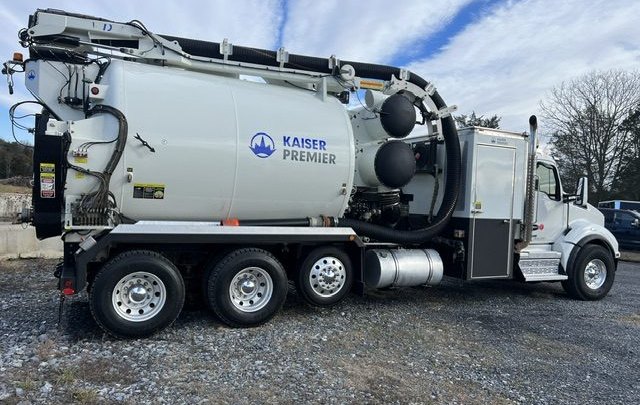
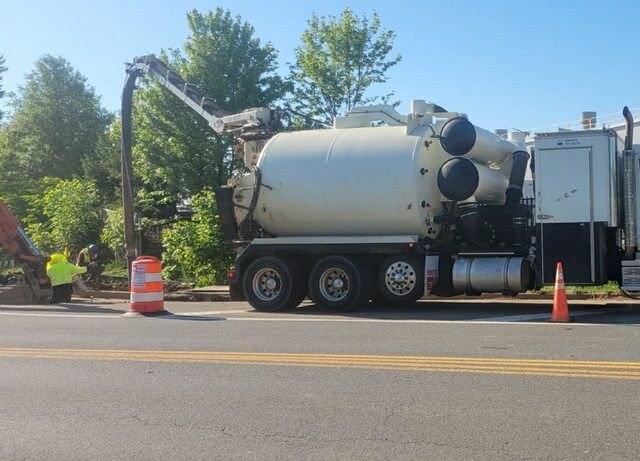
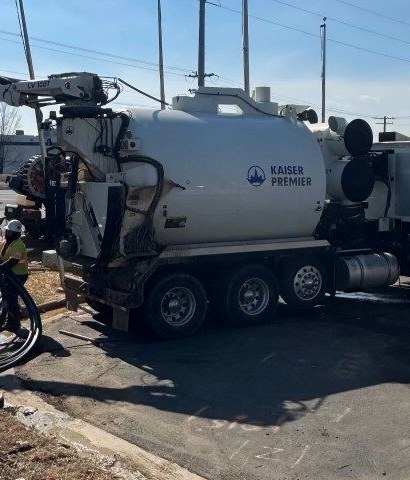
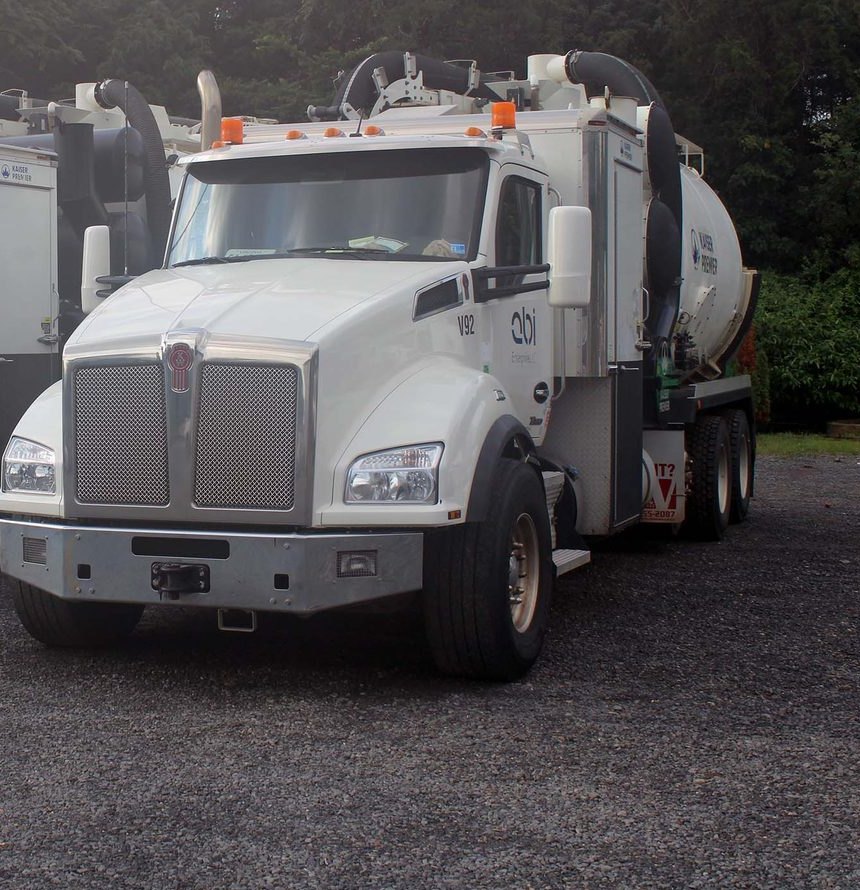
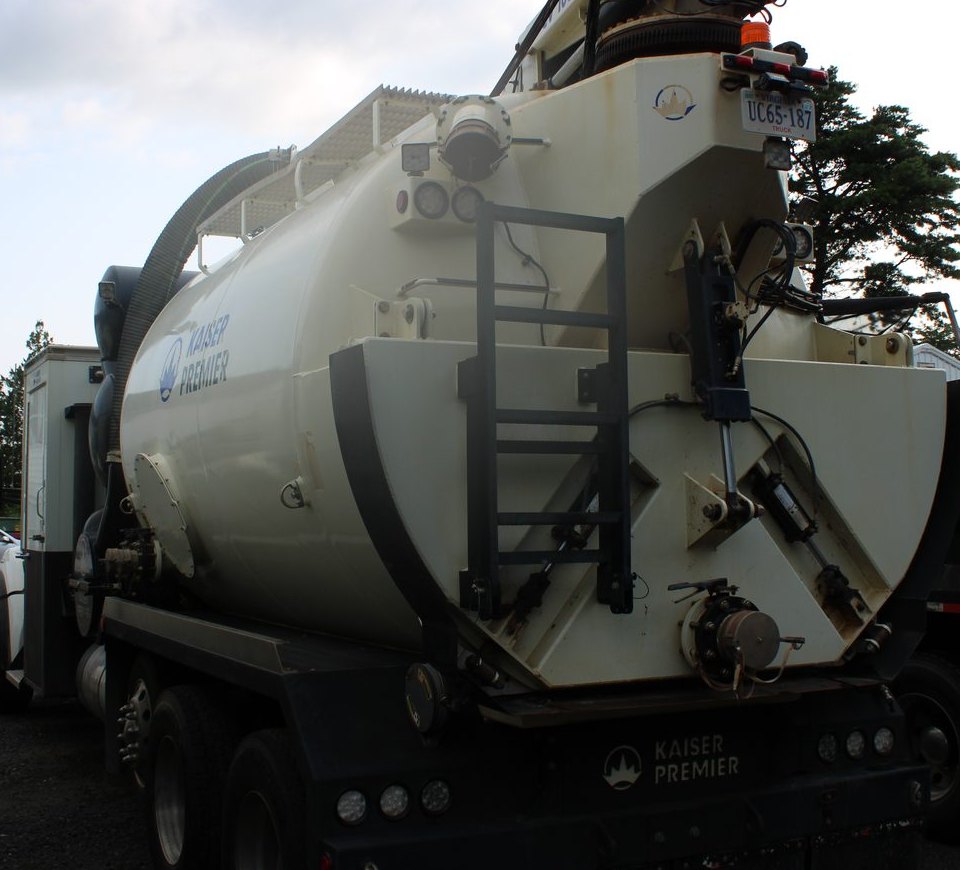
Every service is designed to reduce risk, protect assets, and support production. Because successful excavation is measured by what gets exposed and what stays intact.
Hydro Excavation
It is the method under every service on this page, and the reason crews can safely uncover underground utilities.
Specify it when
The dig sits close to services that must not be disturbed
Access is tight and a machine cannot be set up safely
The opening has to be small and precisely placed
Spoil has to leave the site rather than sit beside the hole
A utility owner or municipality asks for non-destructive excavation
Exposing an existing line before anyone digs near it. We cut a precise window, vacuum the spoil to the tank and hand back the utility intact — no blade near the conduit, and far less risk of a strike.
Specify it when
A line has to be located exactly before a tie-in, bore or repair
The dig is inside the tolerance zone of a gas, fiber or electric run
Ground conditions or congestion make a mechanical dig a strike risk
A utility owner or municipality requires non-destructive excavation
Restoration cost matters more than the speed of an open trench
A narrow, straight-walled cut for conduit runs, duct bank and service laterals. Less ground opened means less spoil to handle and far less restoration to put back at the end.
Specify it when
Conduit, duct bank or a service lateral has to be run in a straight line
Surface restoration is a significant part of the cost
The route crosses ground with other services in it
Working room is limited and an open trench cannot be left overnight
Spoil volume has to be kept down for haul-off or disposal
Onboard heated water tanks let us keep cutting when the ground is frozen. It is the one service with a season, and the reason a winter schedule does not have to stop at the first hard freeze.
Worth planning when
The program runs through winter and cannot pause for frost
The ground is frozen at the surface but the work is below it
Mechanical breaking would risk the services underneath
An emergency repair has to happen in cold conditions