Hydro excavation · Underground utility construction

Big power. Precise digging.

Hydrovac excavation for projects that demand precision around underground infrastructure.

Debris body
12 yd³
Water
2,100 gal
In service
2 units
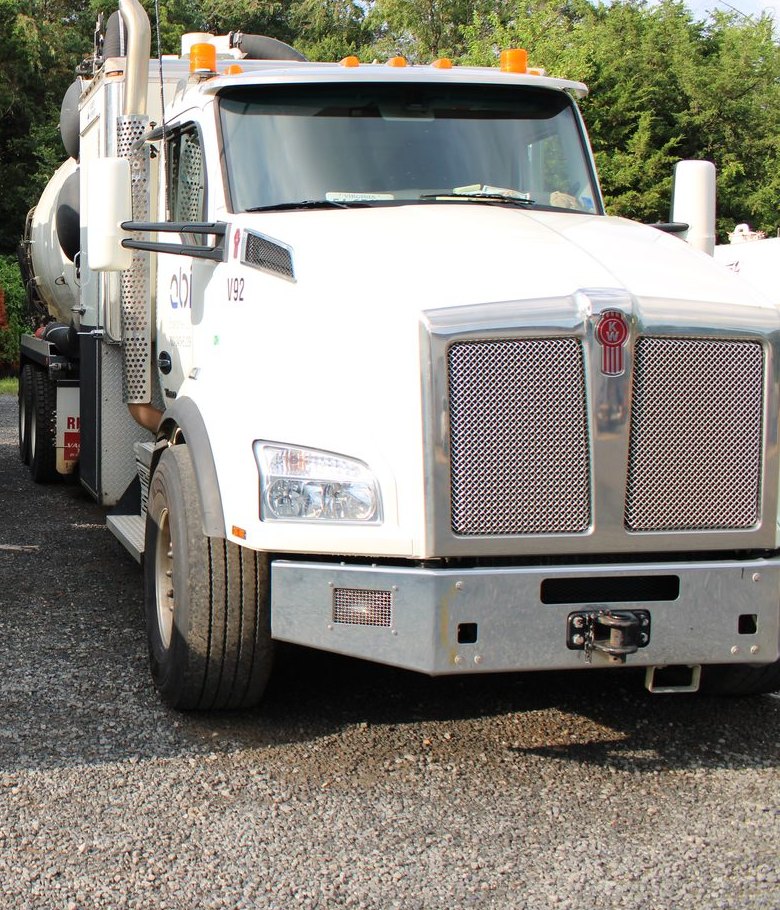
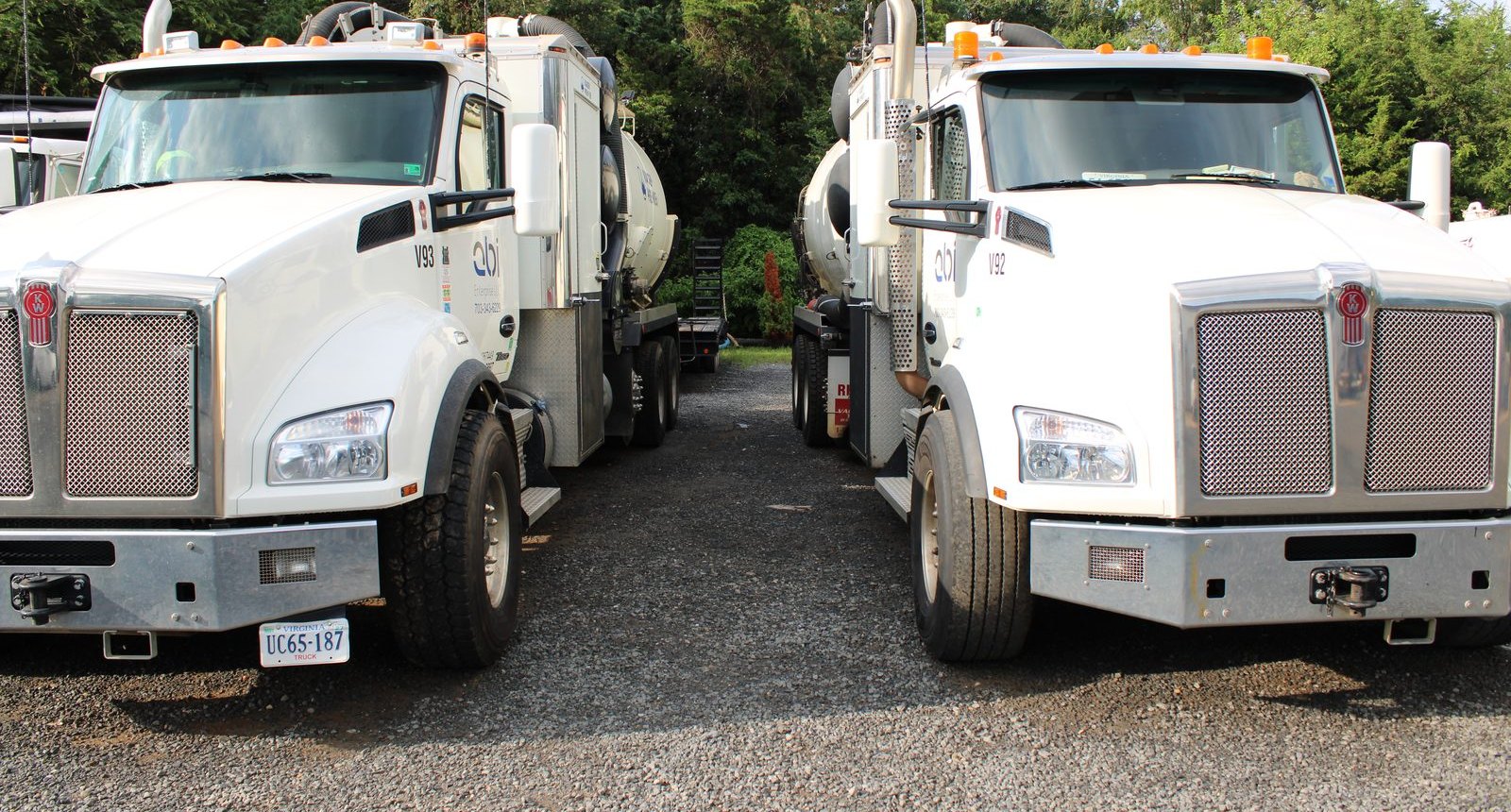
Kenworth T880 hydrovac head-on in ABI’s yard, chrome bumper and grille filling the frame
How it works

Water cuts. Vacuum lifts.

Hydro excavation replaces the blade with a jet of water and a vacuum hose. That is the whole difference, and it is why a crew can work within inches of a live gas main, a fiber duct or a water service with far less risk of damaging it.

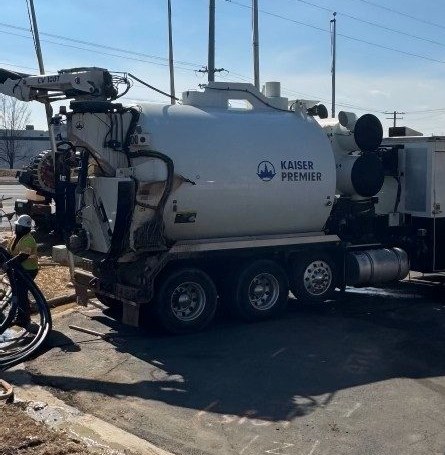
Boom articulated over the dig with suction hoses run out across the asphalt
01

Cut

A pressurized water stream opens a controlled window in the soil. Pressure is set to the ground conditions, not to the schedule.

02

Lift

Vacuum pulls water and spoil straight into the debris body as the hole advances. The excavation stays open and the site stays clear.

03

Expose

The line comes up intact and ready for tie-in, survey or repair. No mechanical cutting tool goes into the excavation.

Both ABI hydrovac trucks parked nose-out on the gravel yard
The fleet

Two trucks. Both ours.

Debris body
12 yd³
Water storage
2,100 gal
Chassis
Kenworth T880
Vacuum body
Kaiser Premier
Units in service
2
Cold weather
Heated tanks
Owned and operated

Both units are Kenworth T880 chassis under Kaiser Premier vacuum bodies, owned and operated by ABI Hydrovac — not brokered, not rented for the week.

The tanks above are what set the working day: how long we cut before a dump, and how far into winter we keep going.

On site

Where this work happens.

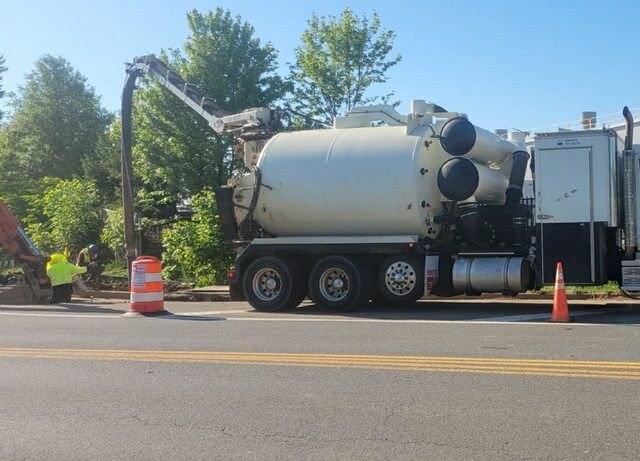
ABI hydrovac working a live roadway with the boom deployed, cones set and a crew member in hi-vis
Live roadway — boom deployed, cones set, lane kept open
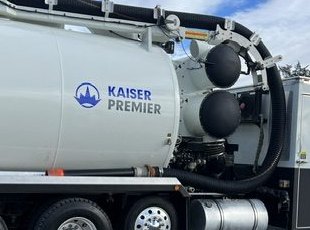
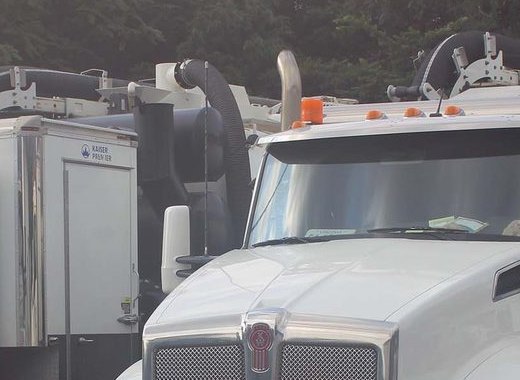
Vacuum tubes and boom stowed above the cab of a Kenworth T880 hydrovac
Boom and tubes stowed over the cab
How we work

Precision is a procedure.

Safety and well-being is the first of our four core values. On this site that means the procedure, not a badge in the footer.

Locate before we cut

Marks first, then a plan for the hole. The utility is found, not discovered.

Pressure set to the ground

Water pressure is matched to the soil and the depth: enough to cut, and set to reduce the risk of damaging a line.

Spoil stays in the tank

Material goes into the debris body as we go. No spoil pile on the shoulder, no slurry in the drain.

The site goes back clean

Backfill, restore and sweep. What the client sees at the end is the standard we are judged on.

Request an estimate

Let’s talk about your next dig.

Send the location, the depth and what is in the ground. We will tell you what the dig takes.